Living With Movement: Photographing the Hope and Resilience of Long-Term Earthquake Recovery in Port Vila, Vanuatu (Volume 21, Issue 1)
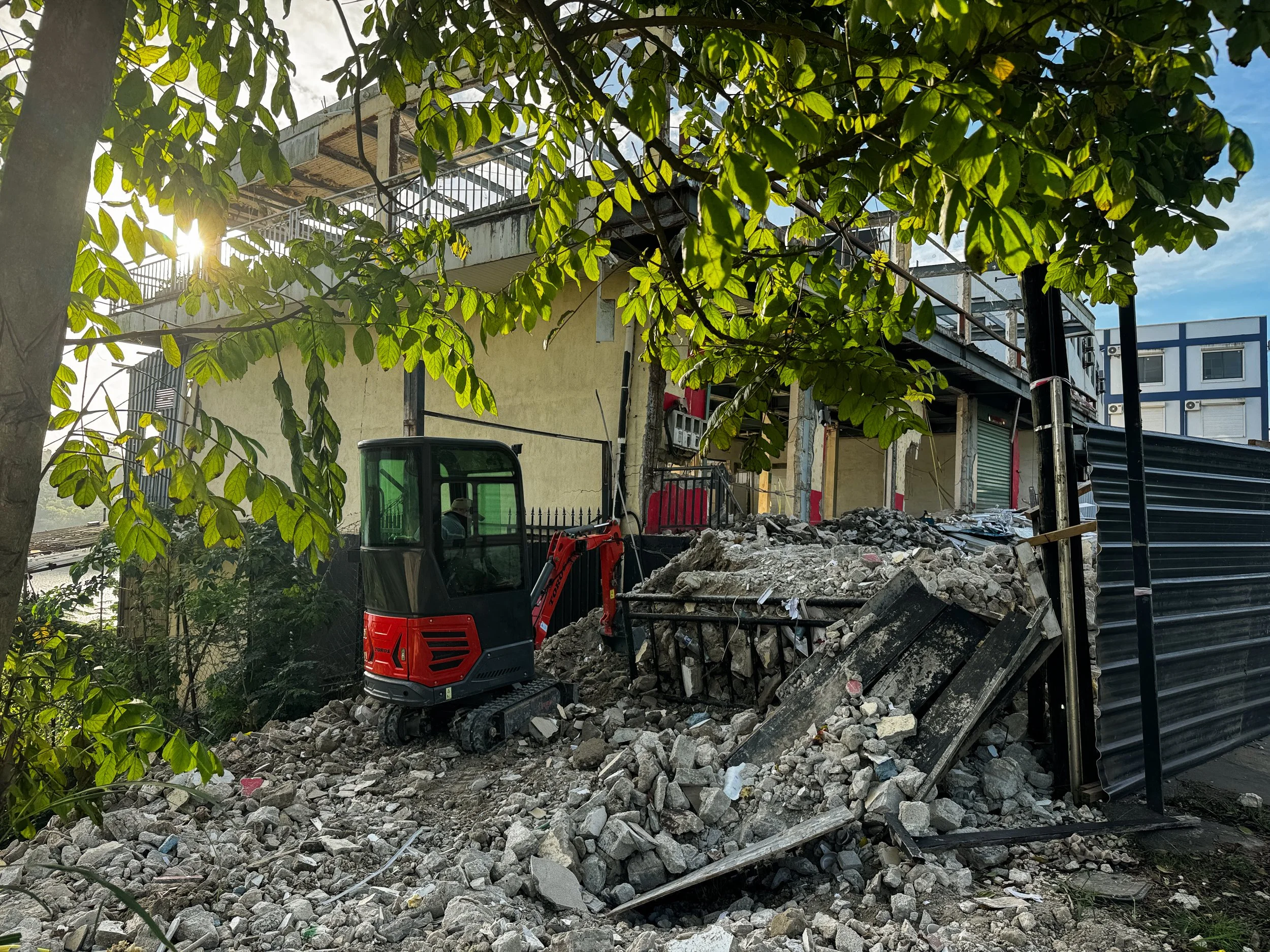
Photo 1: A small excavator sifts through rubble next to a waterfront property just outside of Port Vila’s downtown.
By Bryn Evans
Living With Movement: Photographing the Hope and Resilience of Long-Term Earthquake Recovery in Port Vila, Vanuatu
In June and July 2025, I visited Vanuatu’s capital, Port Vila, to conduct environmental policy research related to my master’s degree. Six months earlier, on December 17, 2024, a 7.3 magnitude earthquake had struck the seafloor thirty kilometers from the city, killing fourteen, injuring 200, displacing 2,000, and leaving an indelible scar on the city’s psyche and physical complexion. [1] Moved by the quiet tension between loss and renewal, I decided to document some of the city’s recovery efforts during my two-month visit.
As I quickly discovered, Port Vila is a vibrant medley of personalities, welcoming not only foreign tourists but people from across Vanuatu’s eighty-three islands, who often travel to the capital seeking opportunities to support their families living in more remote locations. With a growing population of 50,000 and a young, mobile workforce, the city is Vanuatu’s primary hub for finance, trade, and tourism operations. The urban lingua franca is Bislama, a creole language developed in the early colonial period that combines elements of English, French, and local Melanesian dialects, allowing speakers of Vanuatu’s 117 native languages to easily liaise across linguistic divides. Despite being fluent in English and French, I often found myself falling behind in Bislama conversations, and I ultimately conducted both my policy research and my work for this photo essay in English.
Six Months On: A Long Road to Recovery
Given this was my first visit to Port Vila, it was initially difficult to discern what had changed following the earthquake. Of course, the infrastructural damage was one readily evident sign. I learned that the operating room in the Port Vila hospital had been left dysfunctional for several weeks by the earthquake, and triage tents had to be set up outside the building to organize the stream of patients. Forty-five schools were rendered unserviceable, and as a result at least 4,000 children were forced to start school in February—the hottest month of the year—in outdoor UNICEF tents. [2] Landslides erased roads in a hilly area leading down to Port Vila’s international shipping terminal and cruise ship dock. Hundreds more buildings in the downtown core sustained significant injury, with several collapsing completely and dozens more requiring demolition or renovations.
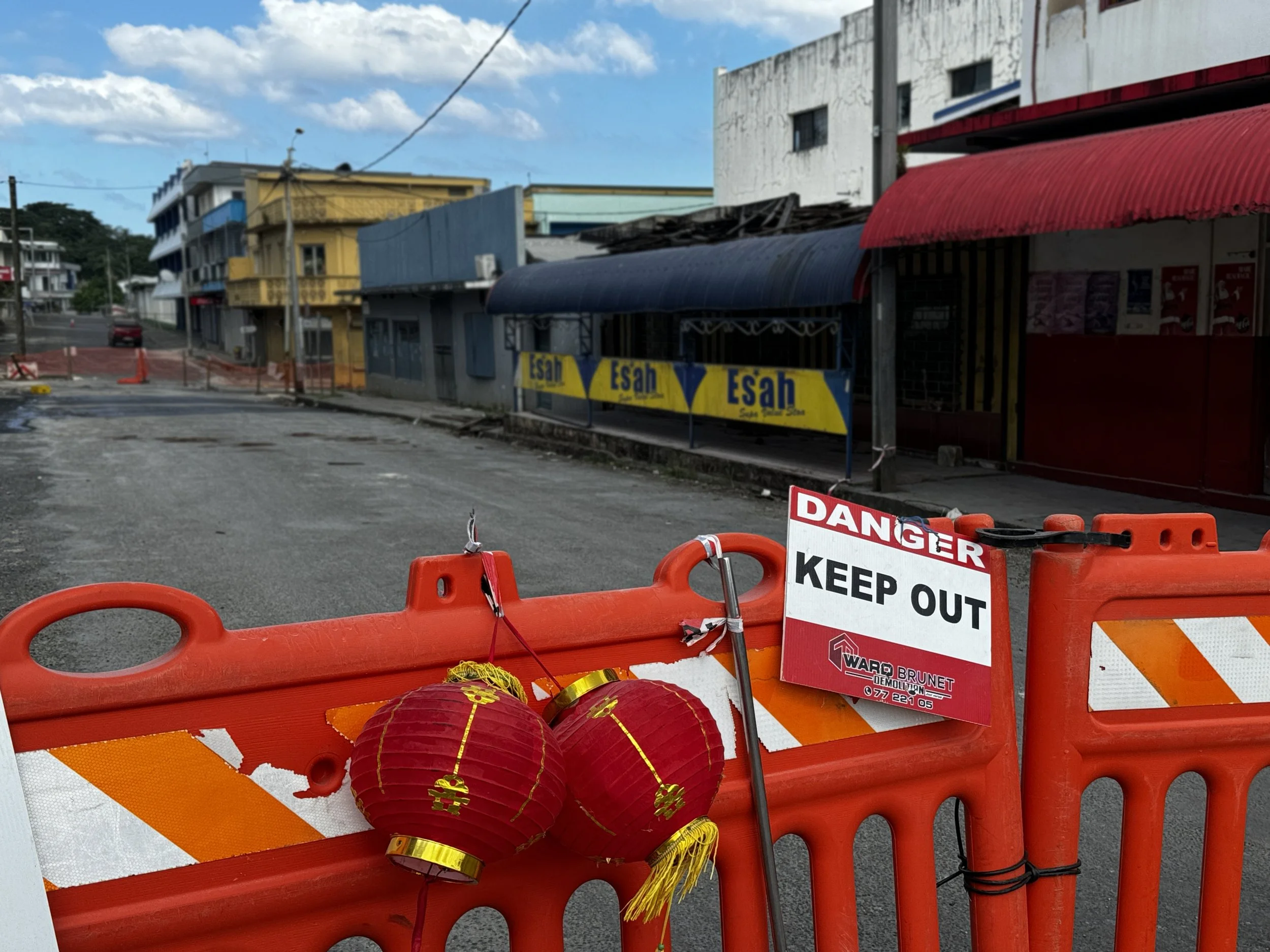
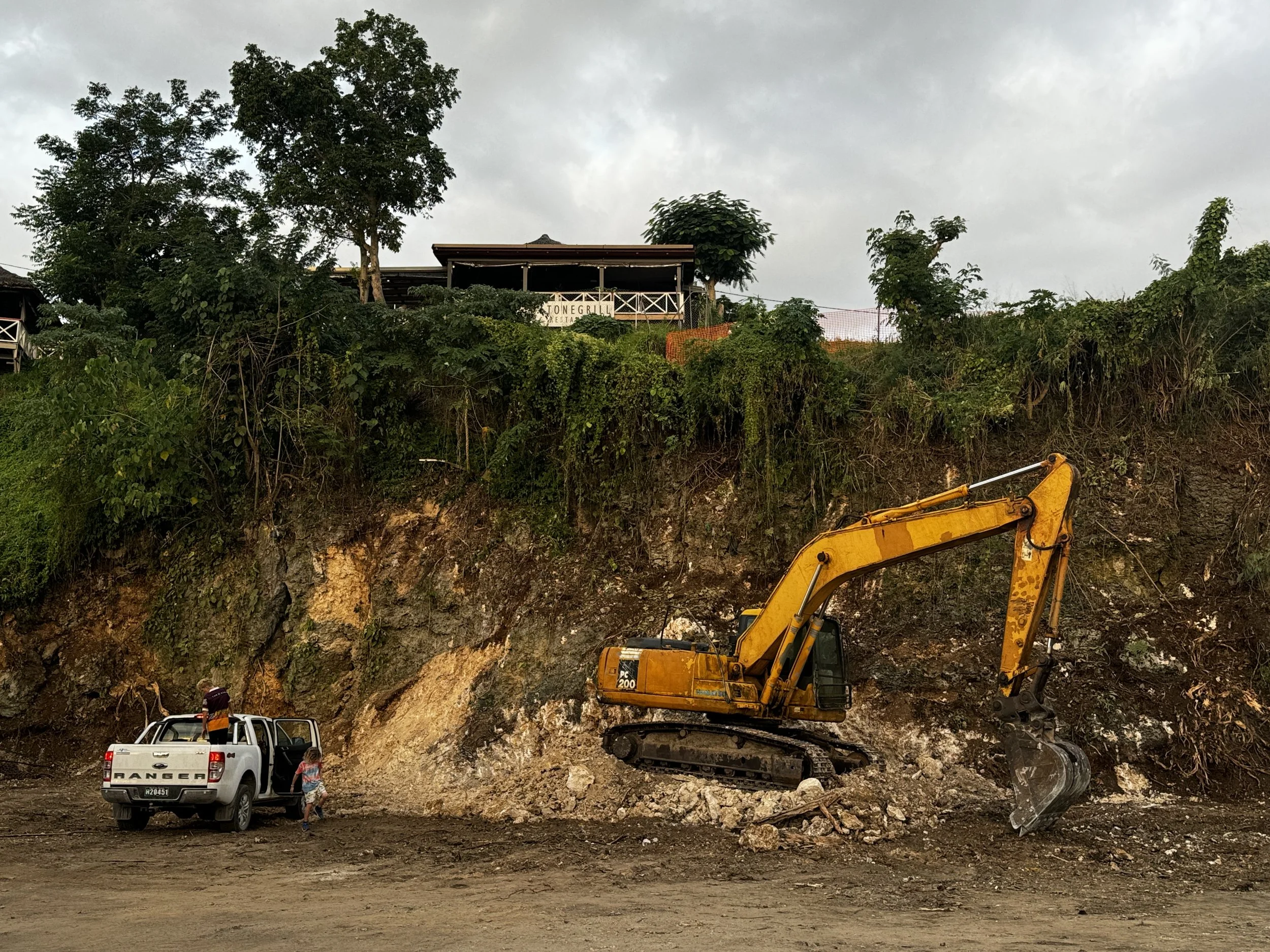
In a predominantly rural country situated over 500 kilometers from its nearest neighbour, Vanuatu’s urban builders must work within the realities of geography and supply: specialist materials and support reach the capital only gradually, with long-term reconstruction often moving at the pace of foreign bureaucracy. [3] Six months on, while critical infrastructure such as the hospital has been repaired, many lots across Port Vila remain vacant, filled with partially collapsed concrete skeletons and stale rubble. Other buildings are surrounded by modest scaffolding or overseen by solitary, underpowered excavators, as residents make the most of the available tools (photo 1). Closer to the downtown core, full city blocks sit behind bright orange barricades, quarantined as they await the appropriate structural treatment. Some of the barricades are adorned with festive decorations from holidays past—Lunar New Year and Vanuatu Independence Day—a testament to both the barricades’ longevity and the city’s resilience and joy in adversity (photo 2).
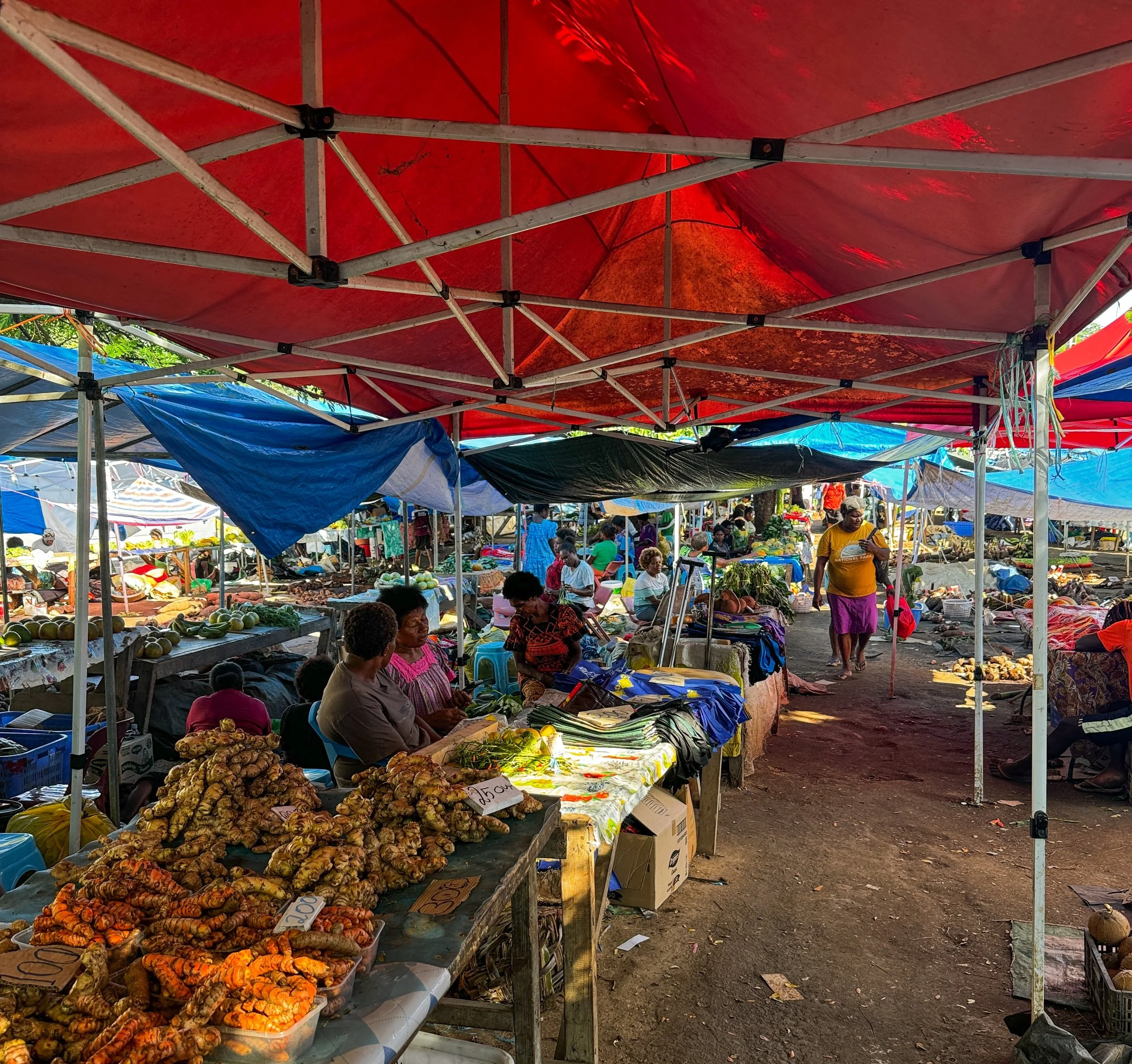
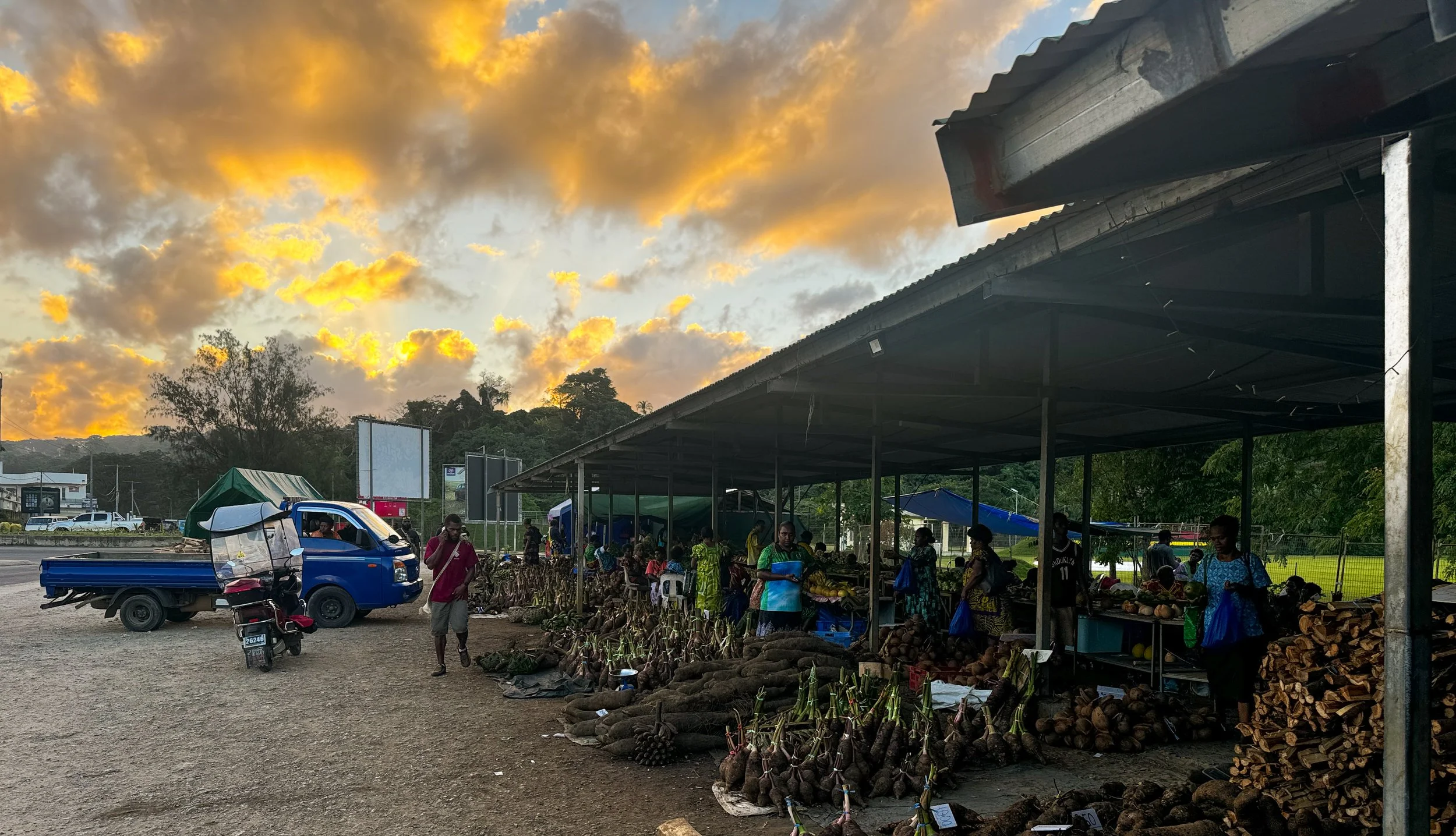
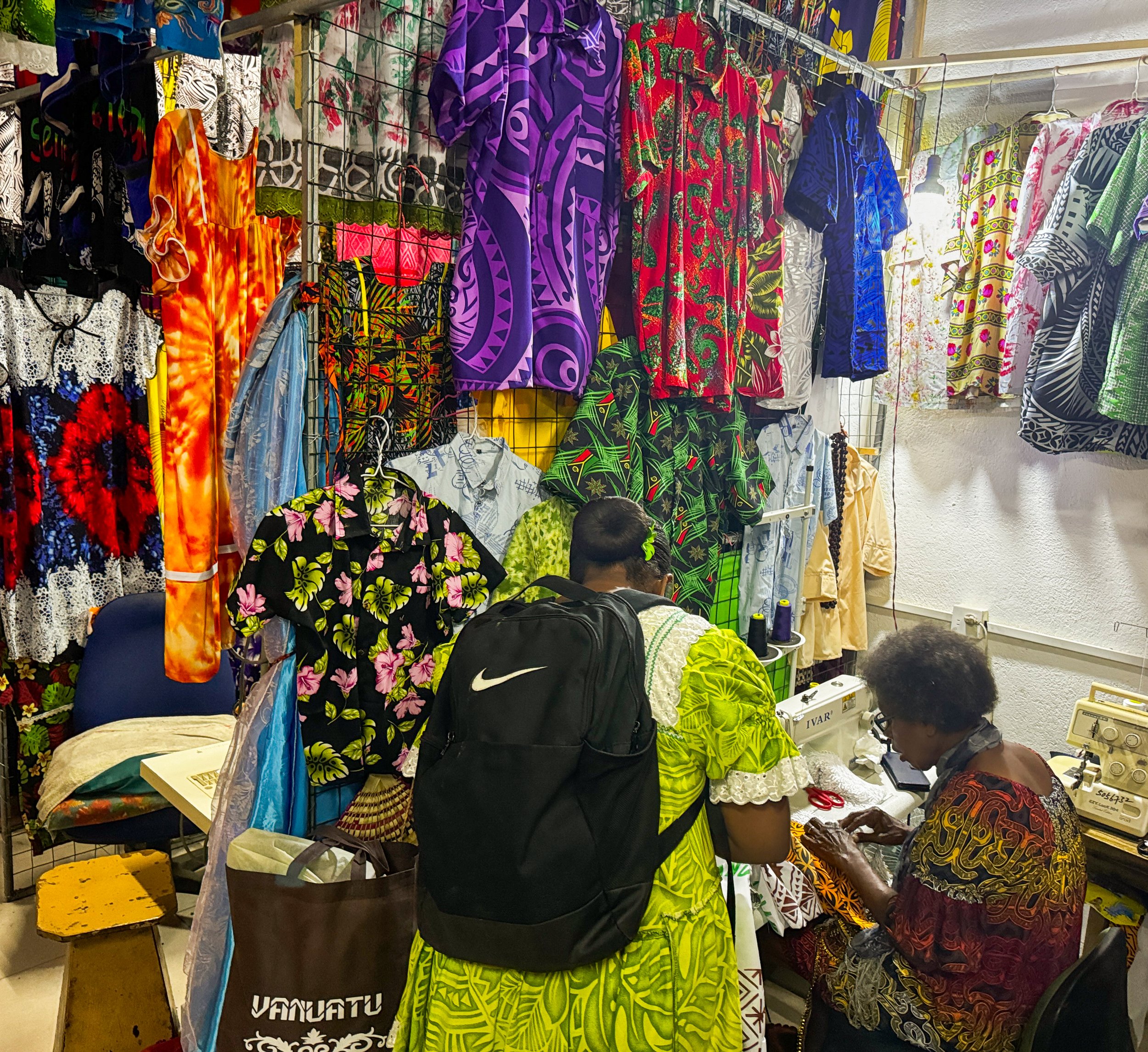
While the city’s broken walls tell one story, the hum of its markets tells another. On my first day in Port Vila, my neighbour, Lina, took me grocery shopping at what she called a “mama’s market,” one of many roadside trading posts scattered throughout the city, makeshift tapestries of faded blue and red tarpaulins shading women selling taro, sweet potatoes, greens, and fruit (photos 3, 4). Lina told me that these mama’s markets grew significantly in size after the central Port Vila Market, which brought together hundreds of local farmers, florists, cooks, clothing makers, artisans, and performers, was deemed structurally unsafe due to the earthquake. In addition to the growth of roadside mama’s markets, which specialize in produce and street food, women now sell original dresses and crafts at small homemade stands in front of their houses. Rentable booths in vacant storefronts also host tailors in impromptu clothing markets, reuniting artistic collaborators separated by the loss of the central meeting ground (photo 5).
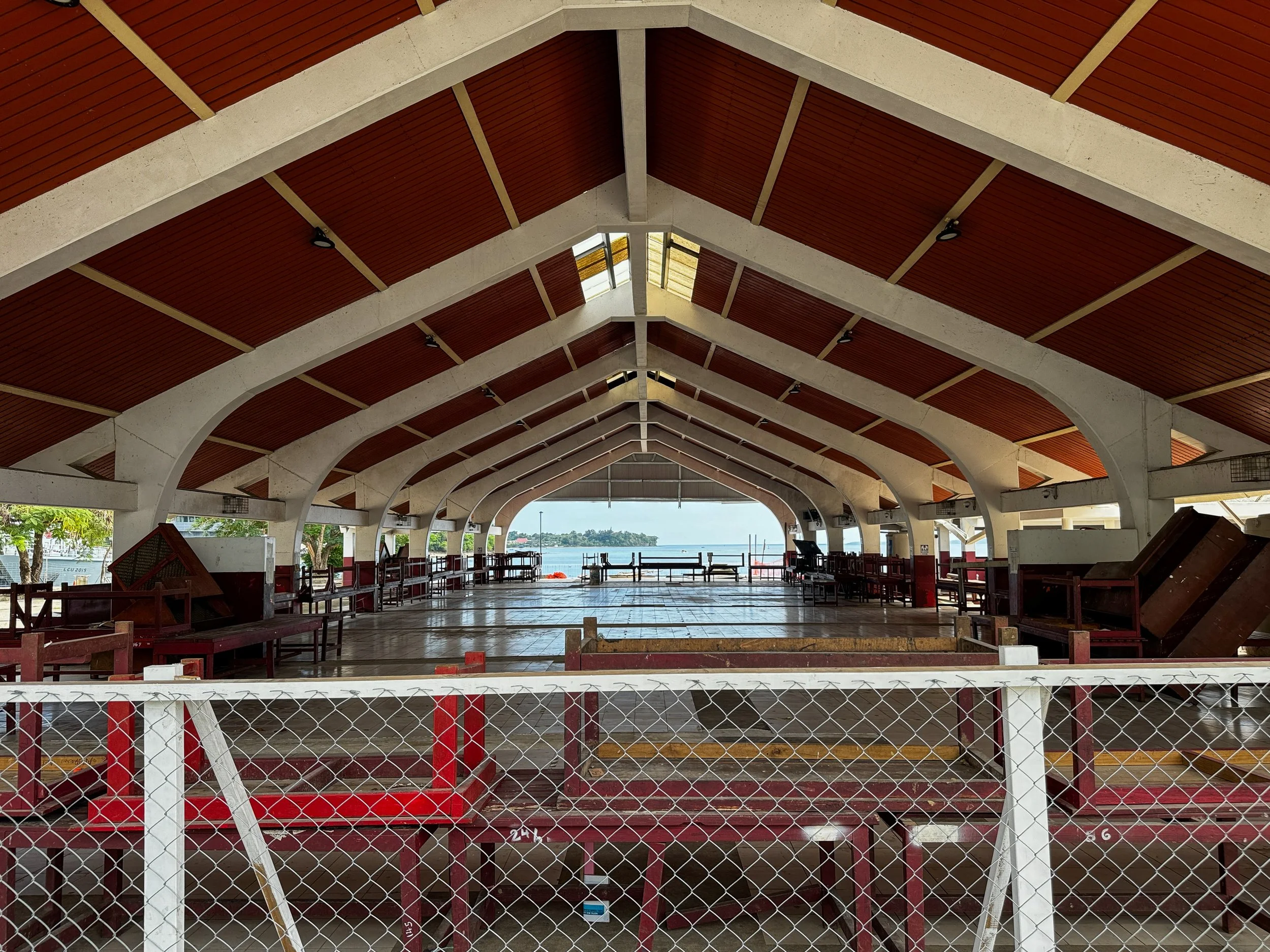
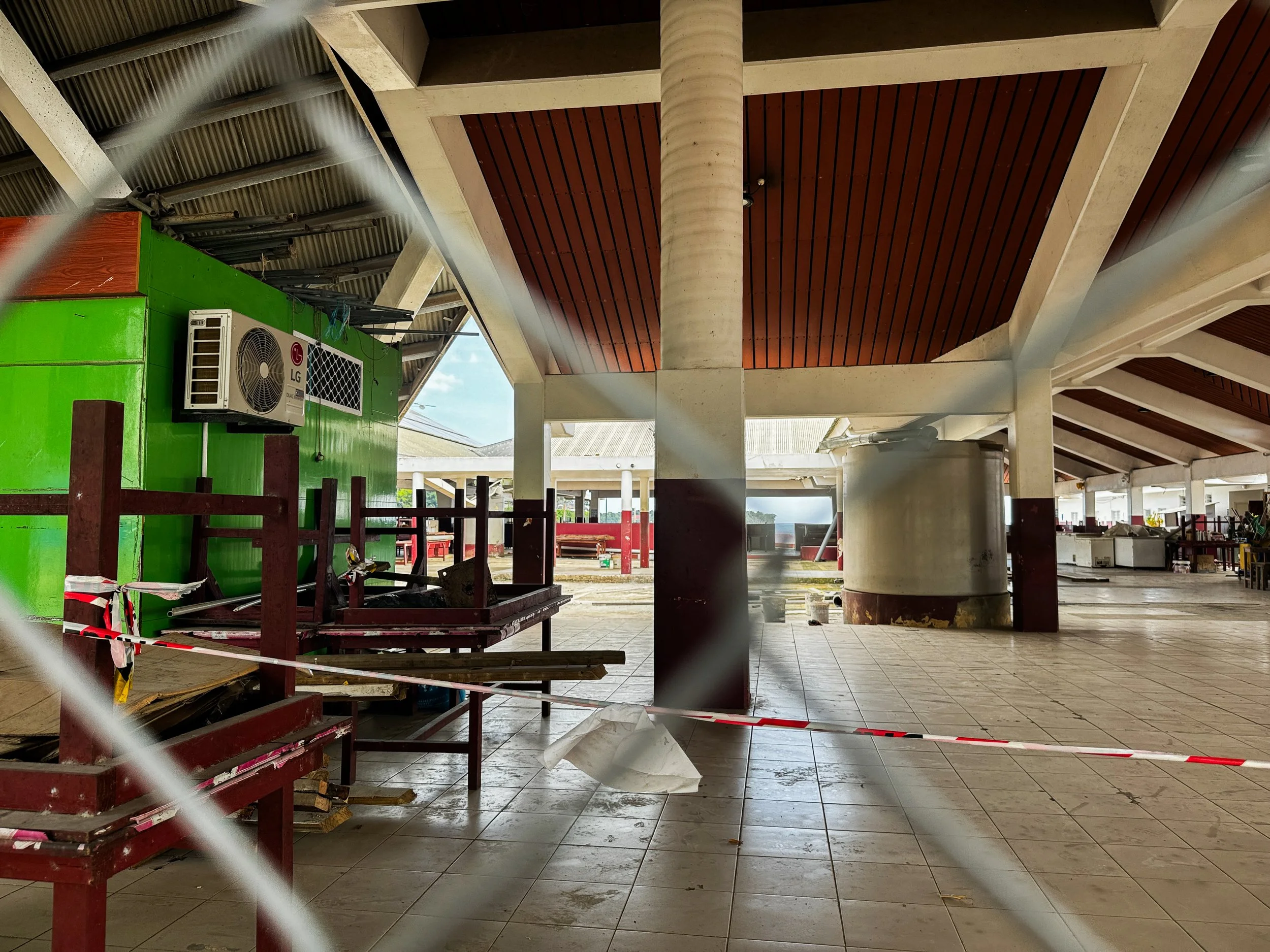
The Port Vila Market, located on the waterfront in the downtown area, had been the city’s beating heart: open almost 24/7, it brought together hundreds of vendors—the vast majority of them women—and thousands of daily patrons under an enormous high-pitched open-air roof. It was a communal meeting ground, a workplace, a cultural classroom, and perhaps above all, the city’s living calendar. Although the city’s residents have shown immense adaptability with their decentralized vending stations, the central market is ultimately irreplaceable. Today, the Port Vila Market remains closed off behind a chain-link fence; tables once overflowing with fresh produce, ready-made meals, and local handicrafts now sit piled one on top of the other in corners of the pavilion, with only dust on offer (photos 6, 7).
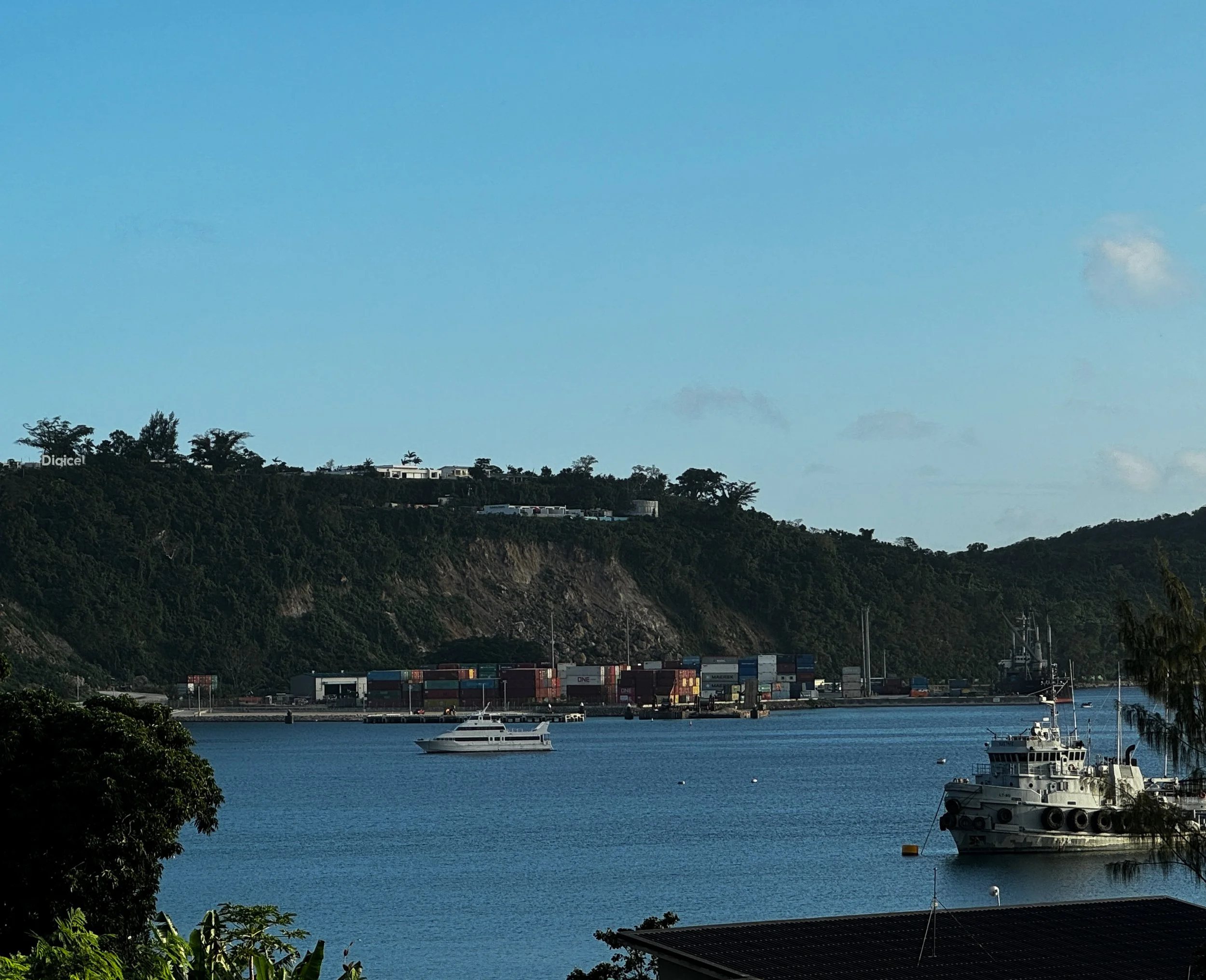
Prior to the earthquake, Vanuatu’s post-pandemic tourism recovery had been underway, with 76,000 internationals visiting in 2023, just shy of the roughly 90,000 annual pre-COVID visitors. [4] Now, the closure of major tourist attractions like the Port Vila Market combined with the indeterminacy of the rebuilding process have reversed the upward trend, bringing on the common tourism lull often experienced following major natural phenomena. Beyond the psychological disincentives for tourists, the December earthquake also triggered a landslide on the main access road to the capital’s port, physically obstructing would-be tourists from accessing the city via the cruise ship dock (photo 8). Only in August 2025, eight months after the earthquake, were local authorities able to bring cruise ship tourism back online, implementing a modified offshore docking system that operates at a significantly reduced capacity. [5] Combined with the clunky rehabilitation of the country’s domestic airline, Air Vanuatu, following its May 2024 financial collapse, the earthquake’s wide-ranging impacts have created a formidable hurdle for the sizable workforce employed in tourism. An estimated 48% of Vanuatu’s US$1.13 billion GDP, and 35% of the country’s employment opportunities, are linked to the tourism industry, with the vast majority of tourism operating out of the country’s capital. [6]
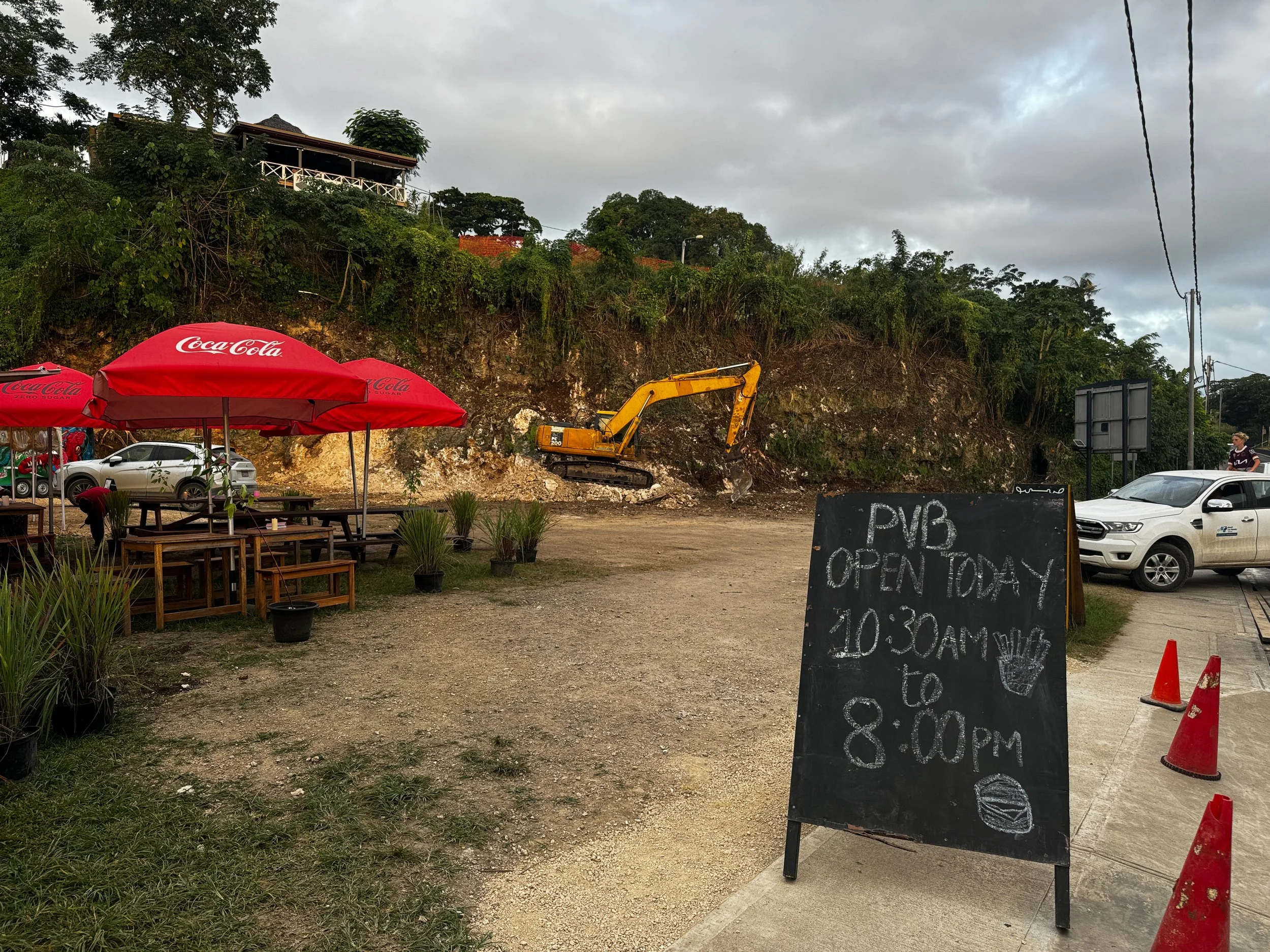
Still, Port Vila residents find ways to adapt, striving to keep doors open for any and all patrons who choose to visit. Many stores and restaurants have been forced to relocate or operate in active construction zones. Jill’s Cafe, a lunchtime staple for working folk in downtown Port Vila, permanently made the move to the Nambatu neighbourhood after the quake left the café’s original home too unstable to occupy. Its new location, although slightly farther from the action, has elicited superb reviews for its outdoor patio and view. Meanwhile, Port Vila Burger, originally sandwiched inside a circle of outdoor food stands, is now one of only two restaurants in its immediate vicinity, remaining open despite a rockslide covering much of the former eating pavilion. Today, its patrons dine across from a yellow excavator that rhythmically sifts through the fallen debris, clearing space for the return of other roadside eateries (photos 9, 10).
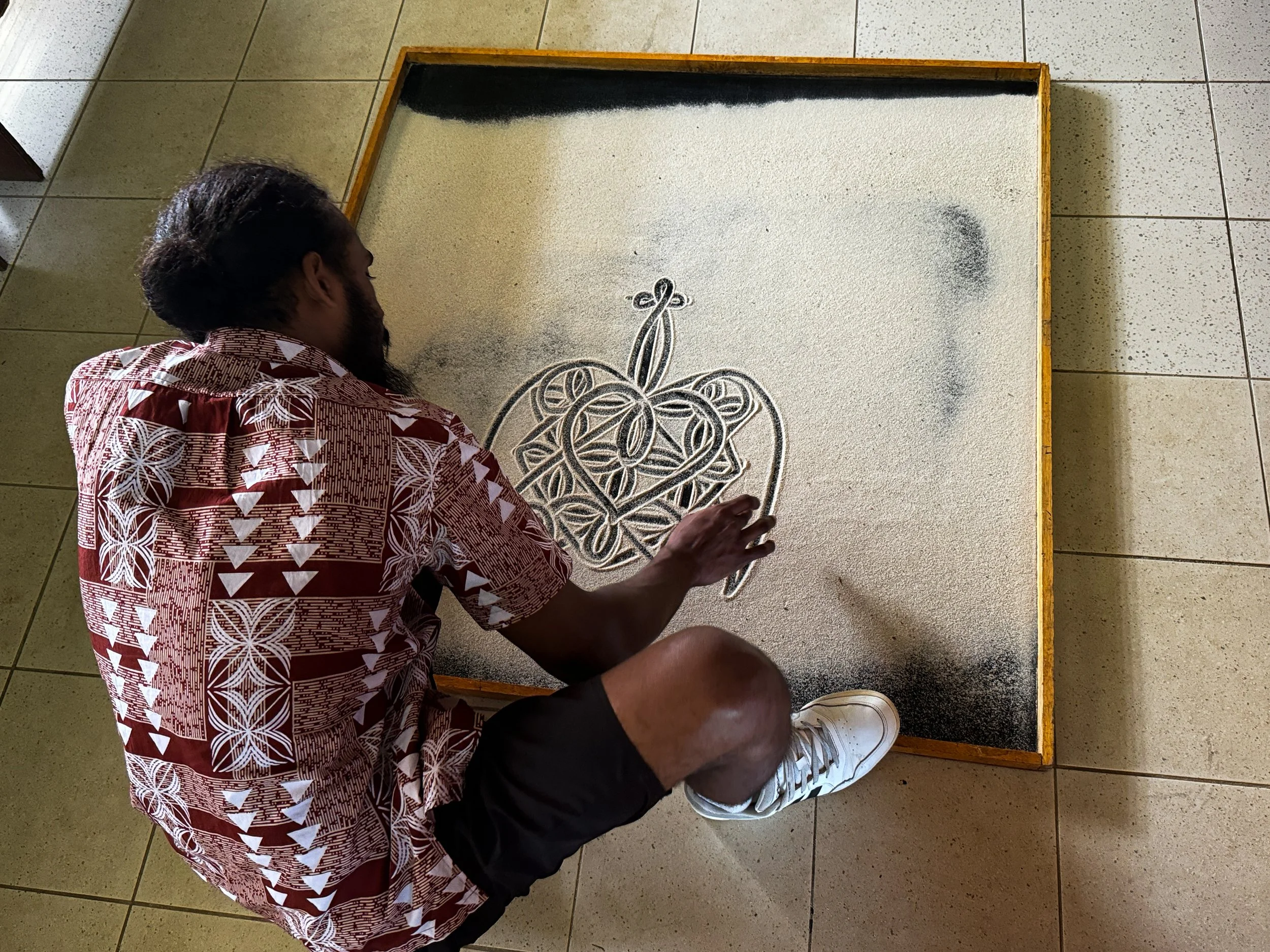
While many major buildings remain closed due to the earthquake, the Vanuatu Cultural Centre and National Museum were speedily reopened, permitting the continuation of the Centre’s cultural revitalization work and the Museum’s guided tours. Each tour concludes with a demonstration by the guide of traditional sand drawing, a practice recognized by UNESCO as a Masterpiece of the Oral and Intangible Heritage of Humanity, and a compelling moment in which tradition is made tangible (photo 11). The Museum’s employees speak openly about the decrease in visitors following the earthquake, but express gratitude for the continued ability to share their history and craft.
The Ongoing Challenge: A City Living with Movement
Vanuatu is no stranger to tectonic activity, experiencing almost one earthquake of magnitude 1.5 or greater every two days. [7] The Pacific nation sits on a volcanic archipelago along the infamous Ring of Fire, a tectonically active belt encircling the Pacific Ocean that contains three-quarters of the world’s volcanoes and generates 90% of the world’s earthquakes. [8] The country’s geographic position also puts it in an atmospheric Goldilocks zone for tropical cyclones. [9]
Across three millennia living on the archipelago, Ni-Vanuatu, the umbrella term for Vanuatu’s Indigenous peoples, have learned to live with the islands’ restlessness, refining sophisticated seasonal knowledge and shelter-building techniques to weather the frequent natural phenomena. Although the vast majority of Ni-Vanuatu still live in their ancestral territories, practicing and reclaiming Traditional Knowledge that was threatened by two centuries of colonization and missionization, Vanuatu’s recent urbanization makes the country’s few major hubs increasingly vulnerable to disaster. As a city developing in line with global counterparts with far fewer geographic challenges, Port Vila is tasked with fusing traditional methods of environmental resilience with ambitions to integrate into an industrialized transnational economy.
This project is made even more urgent by climate change, which has markedly increased the intensity of natural phenomena. In March 2023, twin category 4 cyclones, Judy and Kevin, made landfall in southern Vanuatu within days of each other, whipping up gusts as fast as 155 km/h and forcing widespread evacuations from Port Vila. [10] While not totally unprecedented in Vanuatu’s history, the occurrence of two powerful cyclones and a major earthquake in the span of 18 months presented a novel challenge for a recently industrialized city, with infrastructural resilience not yet matching the scale of the natural phenomena.
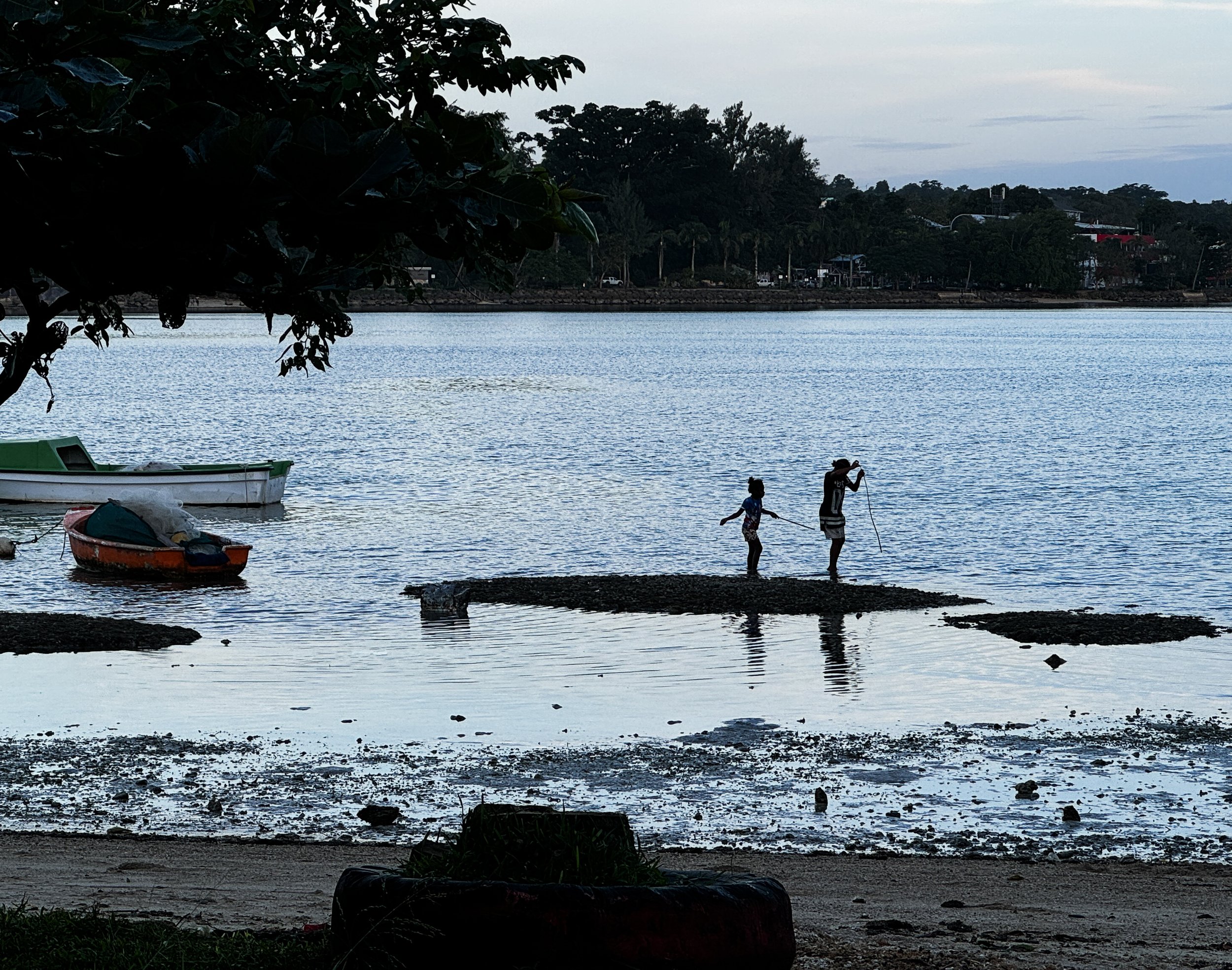
At the forefront of the country’s climate strategy are institutions such as the National Advisory Board on Climate Change & Disaster Risk Reduction and the Vanuatu Business Resilience Council—the former is an innovative policy-making limb of the national government responsible for overseeing a whole-of-government approach to climate change, while the latter coordinates private sector climate responses. These bodies aim to build Vanuatu’s climate resilience through empowering local Traditional Environmental Knowledge holders, as well as engaging Western scientific methods and leveraging both private and public international capital. For the next generation of Ni-Vanuatu in Port Vila, more expedient urban recoveries will inevitably rely on the success of such unified, cross-cultural efforts (photo 12).
About the author
Bryn Evans is a multiracial writer and poet born and raised in the Squamish, Musqueam, and Tsleil-Waututh lands now commonly known as Vancouver. His work explores the intersections between culture, development, justice, and the natural world, focusing on how collaborative governance and localized decision-making can drive social and environmental progress.
Endnotes
[1] Yvette Tan, and Joel Guinto, “Rescuers Race to Find Survivors as 14 Dead after Vanuatu Earthquake,: BBC, December 18, 2024, https://www.bbc.com/news/articles/cy4pdw1nzp9o; World Health Organization, “On the Path to Recovery: Three Months after the Earthquake in Vanuatu,” World Health Organization Newsroom, 16 March 2025, www.who.int/westernpacific/newsroom/feature-stories/item/on-the-path-to-recovery--three-months-after-the-earthquake-in-vanuatu.
[2] Michelle Duff, ‘‘Never Seems to End’: Exhausted Quake-Hit Vanuatu Rebuilds Again.” The Guardian, January 24, 2025, https://www.theguardian.com/world/2025/jan/25/vanuatu-earthquake-december-2024-port-vila-feature.
[3] 80% of Vanuatu’s roughly 327,000 inhabitants live in rural settings: United Nations, “Vanuatu,” United Nations: Fiji, Solomon Islands, Tonga, Tuvalu, and Vanuatu, 2025, https://pacific.un.org/en/about/vanuatu.
[4] Centre for Aviation, “Vanuatu Welcomes over 76,000 Tourist Arrivals in 2023,” Centre for Aviation News Briefs, March 24, 2024, https://centreforaviation.com/news/vanuatu-welcomes-over-76000-tourist-arrivals-in-2023-1254758; Rebecca Root, Air Vanuatu Grounding Prompts Fears Pacific Country’s Tourism Will Take Big Hit,” The Guardian, May 11, 2024, https://www.theguardian.com/world/article/2024/may/12/air-vanuatu-grounding-prompts-fears-pacific-countrys-tourism-will-take-big-hit.
[5] Catie Kovelman,Carnival Cruise Ship Becomes First to Visit Vanuatu After Earthquake,” CruiseHive, August 8, 2025, https://www.cruisehive.com/carnival-cruise-ship-becomes-first-to-visit-vanuatu-after-earthquake/183468.
[6] Global Sustainable Tourism Council, “Destination Stewardship Report,” Volume 2, Issue 2, 2021, https://www.gstc.org/vanuatu-tourism-gets-a-reboot/; Root, “Air Vanuatu Grounding Prompts Fears.”
[7] Earthquake Track, “Recent Earthquakes Near Vanuatu, October 21, 2025, https://earthquaketrack.com/p/vanuatu/recent.
[8] National Geographic, “Plate Tectonics and the Ring of Fire,June 17, 2025, https://education.nationalgeographic.org/resource/plate-tectonics-ring-fire/.
[9] Matthew Widlansky, Leanne Webb, and Kevin Hennessy, “Vanuatu’s Climate: Current and Future Variability and Change. A Report to the Van-KIRAP Project,” University of Hawaii, Commonwealth Scientific and Industrial Research Organisation (CSIRO) and Climate Comms, 2023, https://www.vanclimatefutures.gov.vu/assets/docs/ENSO%20and%20Variability.pdf.
[10] Alpha Bah,“Situation Report: Vanuatu Tropical Cyclones,” World Food Programme, 2023, https://reliefweb.int/report/vanuatu/wfp-pacific-situation-report-vanuatu-tropical-cyclones-13-march-2023.
Disclaimer
The views expressed in this paper are solely those of the author and do not reflect the opinions of the editors or the journal.