
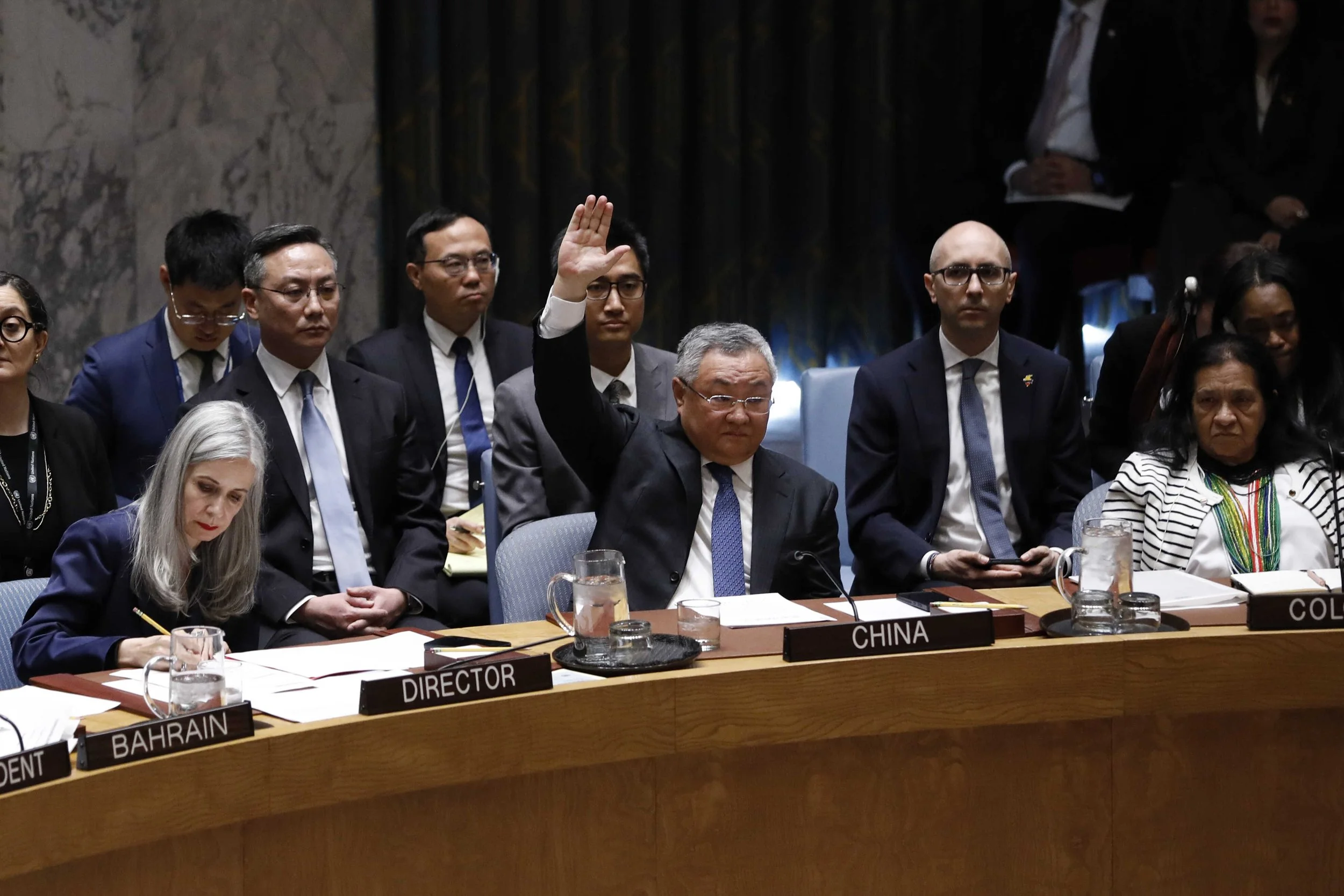


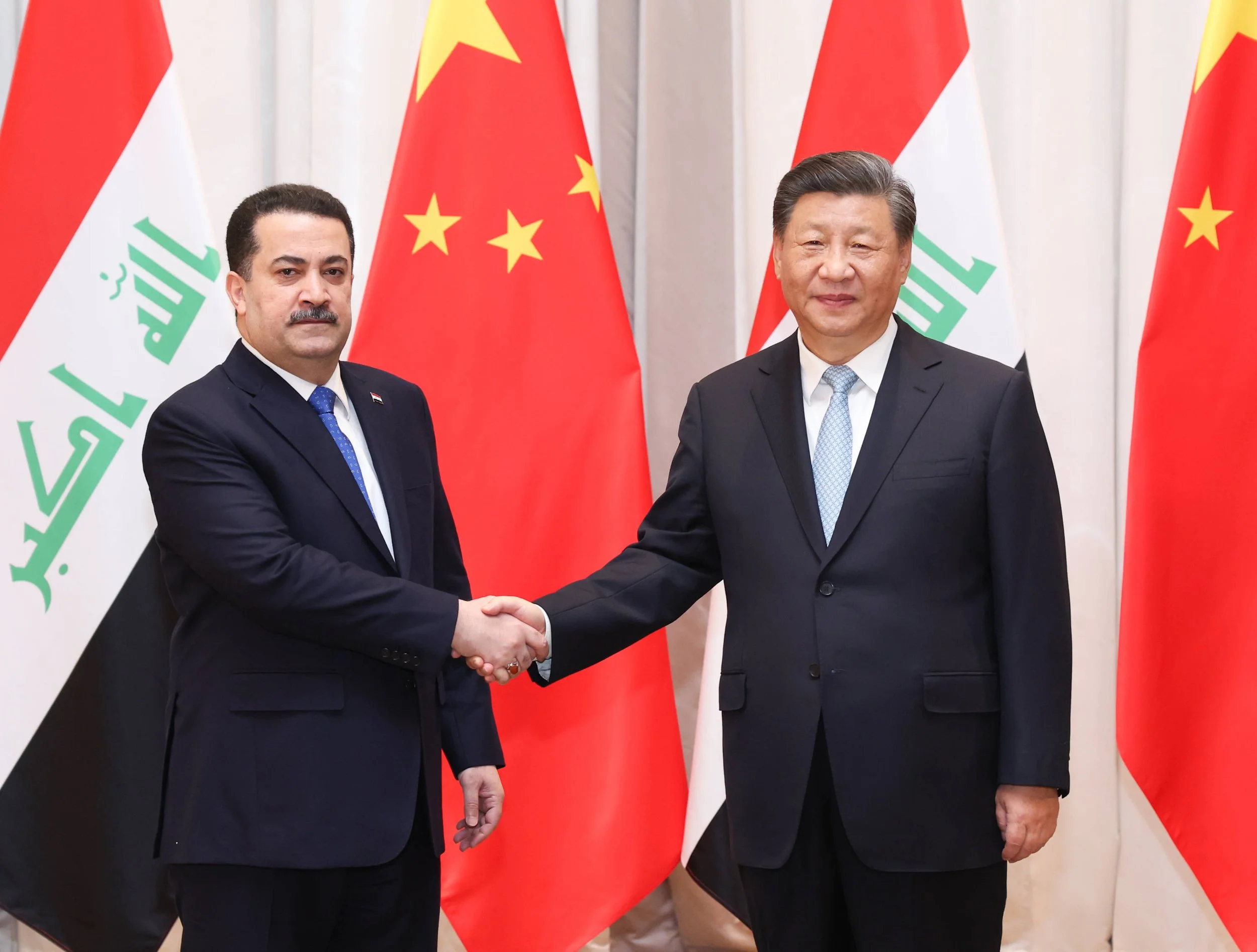
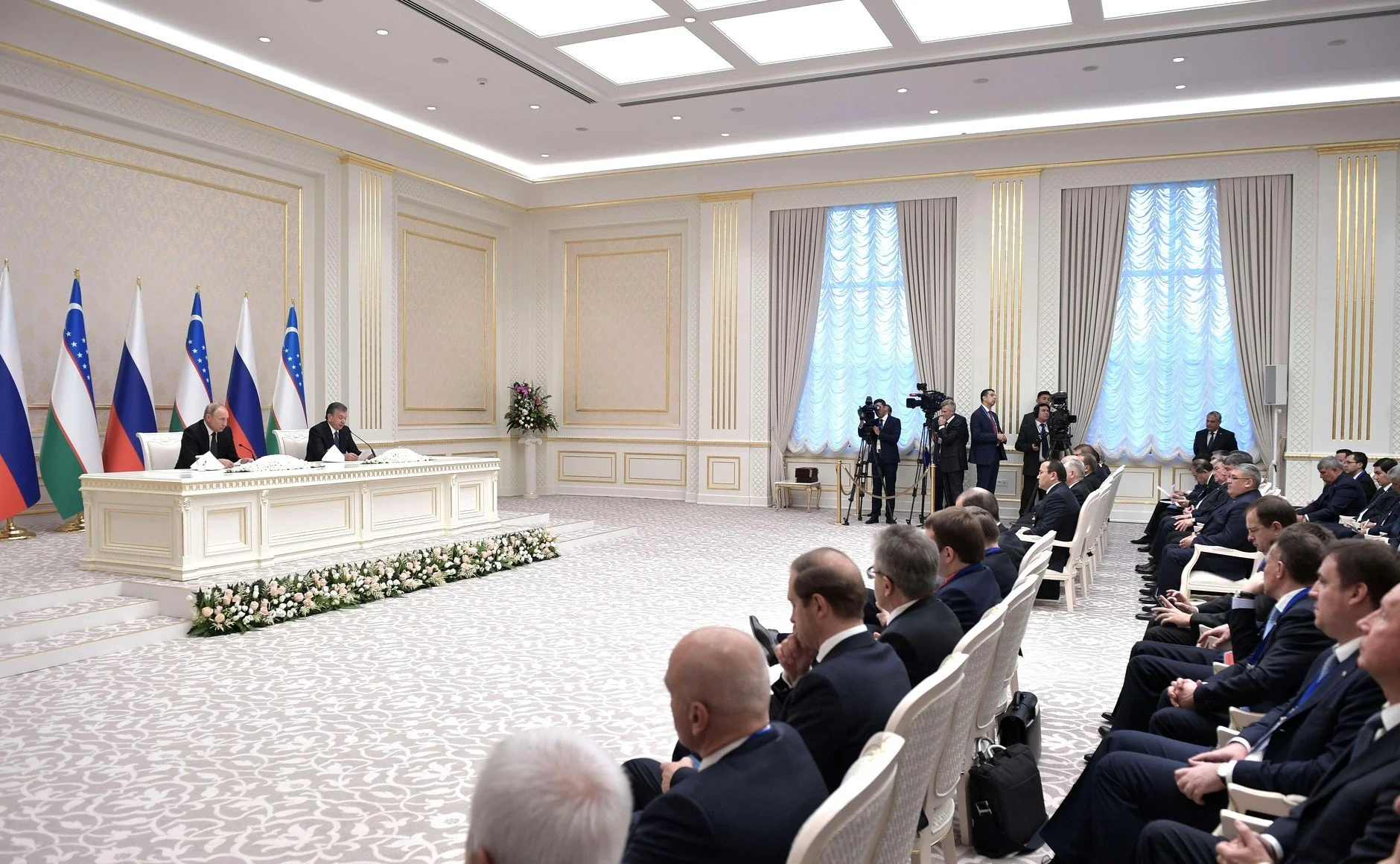
Munisa Djumanova examines why Central Asia's post-Soviet states have resisted democratization while their Eastern European counterparts embraced democratic transitions. Through comparative analysis, she argues that domestic elite cohesion combined with strategic support from Russia and China creates a resilient authoritarian system that withstands both internal protests and external democratizing pressures.
Read More
Ankita Singh Gujjar traces the 4B movement's emergence from Korea's gendered political economy and its rapid digital diffusion to the United States following Trump's re-election.
Read MoreMoon Hwan Lee reveals how North Korea exploits rare earth mineral trade and financial loopholes to evade sanctions. Highlighting cases like DHID, he calls for stronger enforcement through financial crime frameworks, traceability tools, and trade controls to protect global security and reinforce the effectiveness of international sanctions regimes.
Read MoreIn this piece, Viola Fur shows that Uzbekistan must enact targeted reforms to escape the middle-income trap. It calls for stronger support for small businesses, modernized education aligned with labor market needs, and investment in clean energy—key steps to boost productivity and secure sustainable, inclusive growth by 2030.
Read MoreAlexander Sarti argues that the CHIPS Act alone will not secure U.S. semiconductor leadership. Despite major investments, reliance on foreign supply remains high. He calls for bold innovation and new manufacturing models to overcome labor, cost, and talent barriers in order to achieve real technological independence and long-term competitiveness.
Read MoreThis article explores whether China engaged in information warfare in the 2024 Taiwan presidential elections. It suggests methods deployed by China, the key demographics impacted, and the larger implications of information warfare on elections around the world.
Read More
Evan Stubbs examines the deepening relationship between Israel and Taiwan, highlighting their shared struggles with geopolitical isolation and existential threats, which have fostered significant military, economic, and cultural cooperation.
Read More
Graham Owens investigates the Iranian Revolutionary Guard Corps’ (IRGC) control over the sports industry, detailing how the IRGC uses its influence to suppress dissent, particularly among female athletes, and to reinforce its political and economic power.
Read More
Soumya Chaturvedi argues that the signing of the IMEC MoU at the G20 Summit aims to foster connectivity between India, the Middle East, and Europe, while strategically diversifying economic relations away from China's BRI influence.
Read More
Jheel Doshi explores the Japan to North Korea repatriation program, revealing the manipulation and hardship of ethnic Koreans through geopolitical strategies and propaganda.
Read More
Ciel Qi analyzes China's progress in quantum communications and its implications for U.S. national security, recommending a cautious approach to quantum technology adoption and addressing potential intelligence asymmetries.
Read More
By leveraging its strategic geography, Malaysia stands to secure its sovereignty in the South China Sea by strengthening cooperation between ASEAN member states through the concept of ASEAN centrality, explains Seow E Kin Zane Ryan.
Read More
Andrew Faulhaber explains how U.S. and Chinese interests in the Western Pacific are at odds with each other and presents three strategic options for the U.S. Department of Defence.
Read More
Cultivating leaders who value fundamental human rights and dignity should be the teaching and practicing model at the Jackson School of Global Affairs and beyond, argues Rayhan Assat.
Read More
In lieu of the unbridled, markets-and-economics-over-ideology approach to globalizing trade and capital flows that dominated the three decades after the end of the Cold War, we now observe prominent global players cultivate ever-closer ties with counterparts that share similar worldviews. Brian Wong examines this ongoing process of financial balkanization and cautions against its dangers.
Read More
It is in the national interest of the United States to deter a hostile PRC takeover of Taiwan. Lt Samuel Winegar explores how might the United States and its regional partners best prepare the battlefield for potential conflict or better yet, deter PRC aggression without fighting.
Read More