When War Never Ends for Refugee Women: How Protracted Displacement Reveals Gaps in Global Refugee Policy (Volume 21, Issue 2)
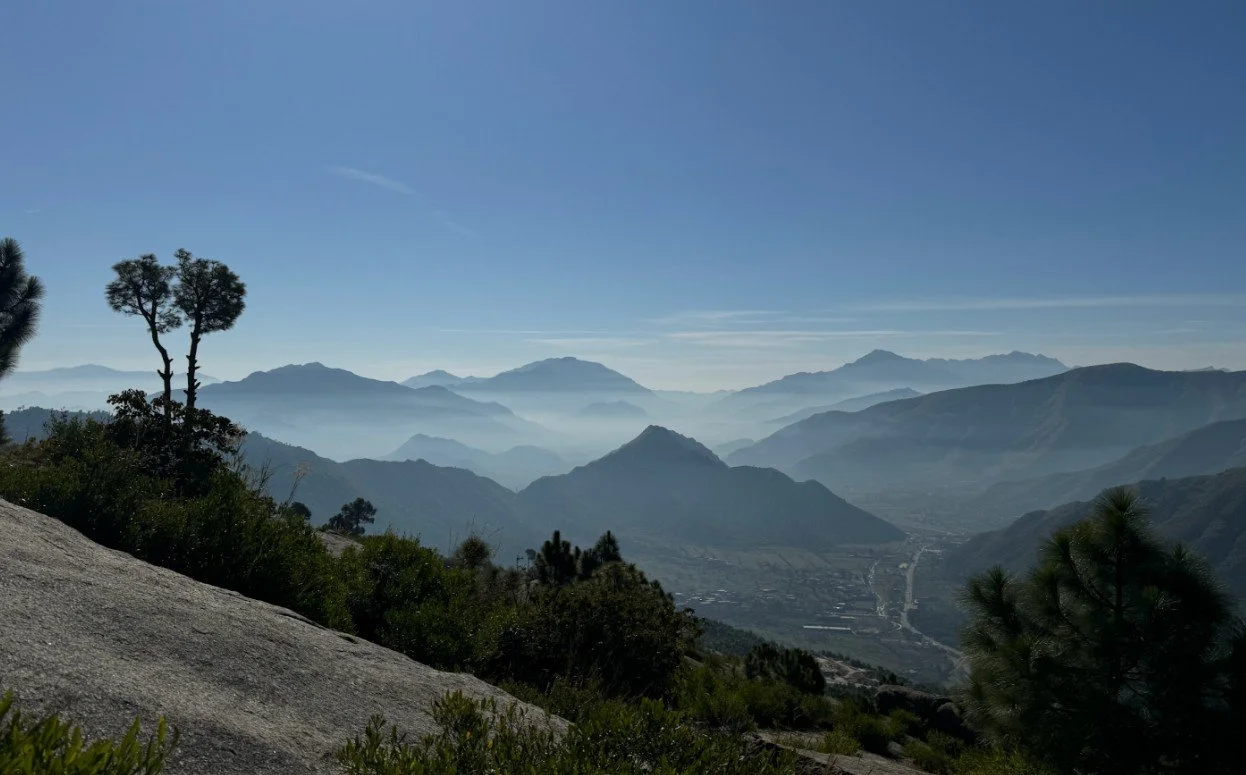
Photo 1: Mountainous terrain near Buner, Pakistan, reflecting the routes taken by many Afghan refugees during cross-border displacement.
By By: Ali Khan
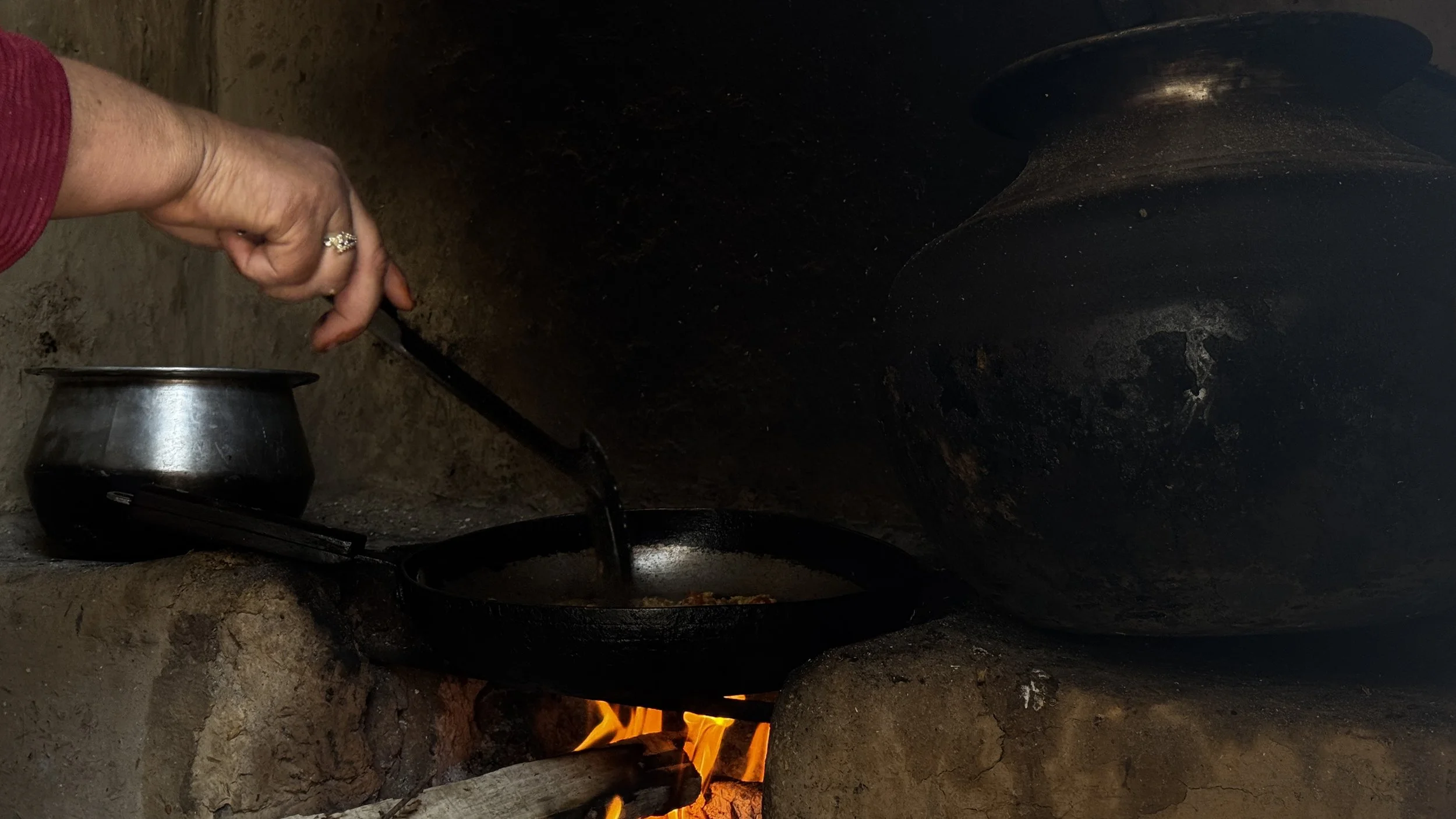
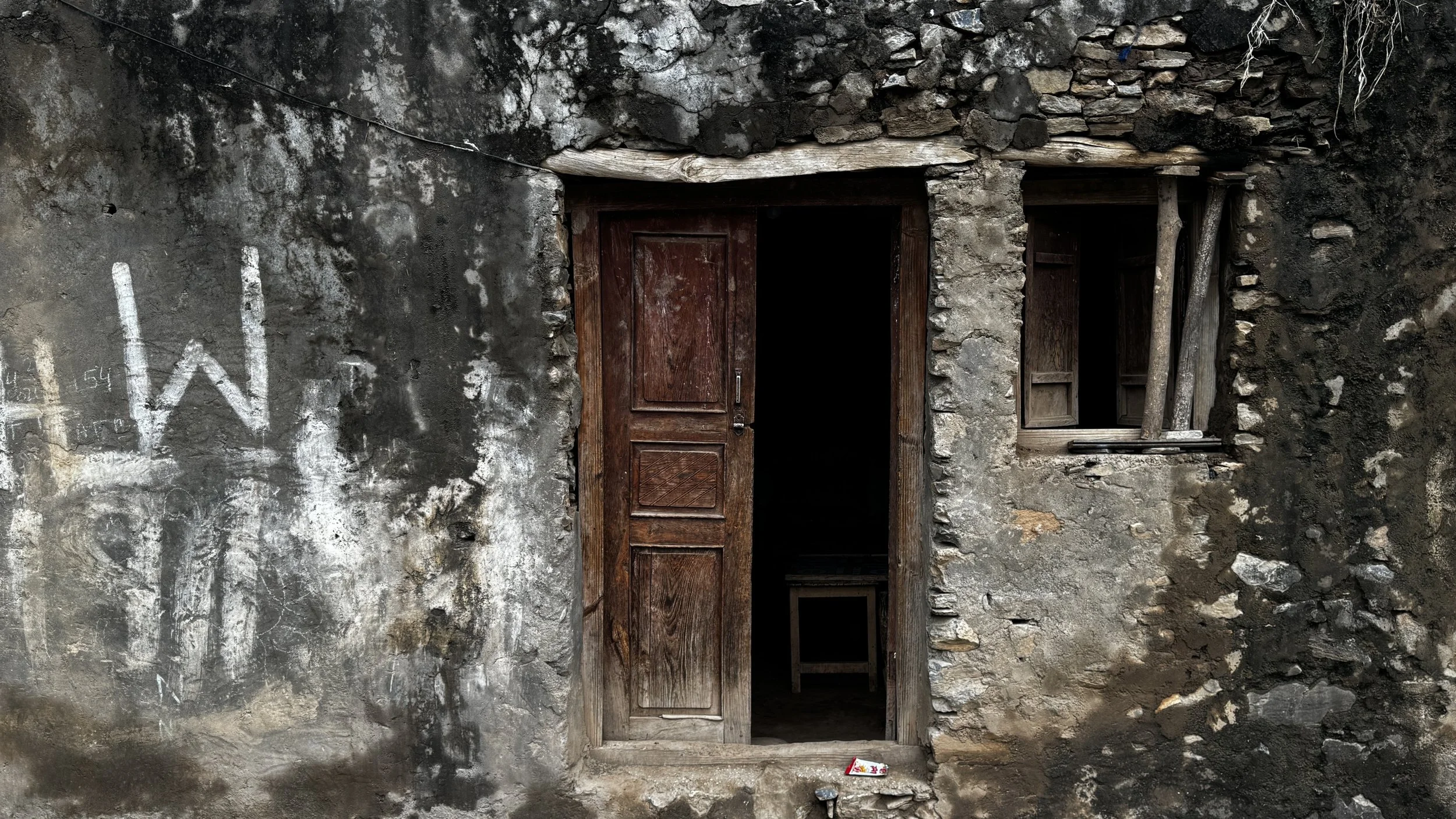
I first heard Kabalai’s story sitting beside a woodfire in her mud home in Buner, Pakistan, while rain tapped softly on the roof. She spoke slowly, often pausing as memories overtook her voice. Her life, shaped by conflict, migration, and intergenerational loss, is not only a personal tragedy, but also reflects a broader failure in global humanitarian policy to address the long-term realities refugee women face.
Kabalai was born in rural Afghanistan, where conflict formed the backdrop of everyday life. She married young and lived a modest but stable life until a bombing killed her husband when her son was only three months old. Years later, as violence intensified once again, she fled across the Afghan-Pakistani border with two children—one still an infant and the other physically disabled. Carrying them through mountainous terrain on foot, she left behind her home, community, and cultural roots in search of safety.
Her experience mirrors a wider global pattern: women and girls make up nearly half of all refugees, people in a refugee-like situation, and individuals in need of protection, while children alone constitute 40 percent of the world’s forcibly displaced populations. [1] For many women like Kabalai, displacement becomes permanent, transforming them into primary caregivers, economic providers, and cultural custodians without sustained institutional support. Despite this, international refugee frameworks often continue to treat displacement as a short-term humanitarian emergency rather than a prolonged socio-economic condition.
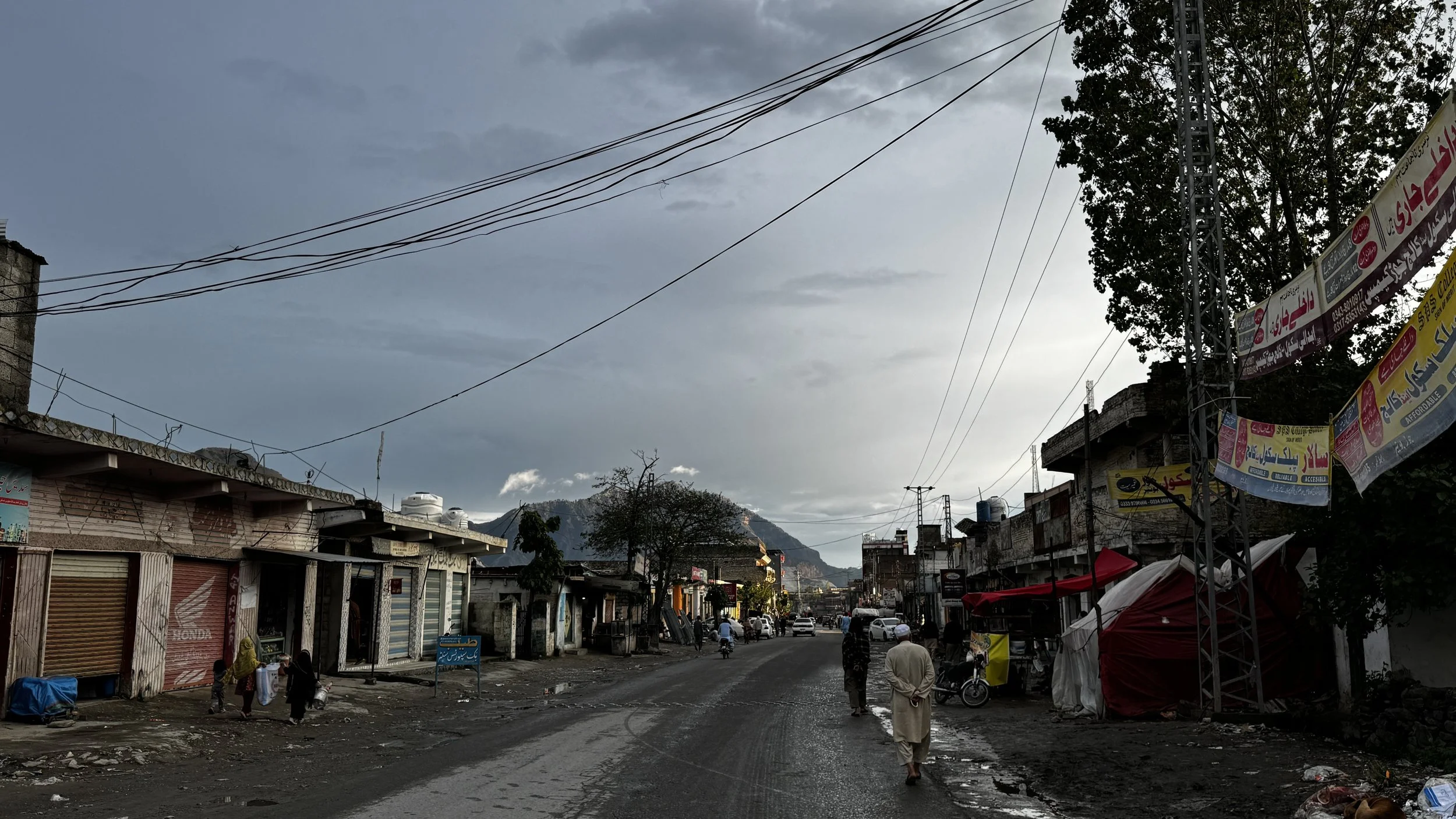
Upon arriving in Pakistan, Kabalai initially relied on charity and informal community assistance. Over time, her son began manual labor to support the family, eventually working in a marble mine. This situation is not uncommon. Pakistan hosts one of the world’s largest refugee populations, with over 3 million Afghans residing in the country, including both registered refugees and undocumented individuals. [2] Many live in urban peripheries or informal settlements without secure legal employment pathways. Across such contexts, displacement in host countries such as Pakistan is increasingly protracted rather than temporary, with Afghan refugee populations spending years or even decades without durable solutions. In these prolonged conditions of uncertainty, many refugees enter high-risk informal labor sectors, such as construction, mining, and daily wage labor, due to restricted legal employment opportunities and lack of credential recognition. These sectors often operate with limited occupational safety standards and minimal social protection mechanisms. When a blast in the mine killed her son decades later, the tragedy exposed another overlooked dimension of displacement vulnerability: refugees who achieve partial economic integration frequently remain excluded from formal labor protections, compensation systems, and workplace safety enforcement.
Kabalai’s story underscores a critical limitation in contemporary refugee governance. International humanitarian systems remain heavily focused on emergency relief interventions such as food distribution, temporary shelter, and immediate protection measures. While essential during crises, these interventions rarely evolve into sustainable development policies addressing employment security, occupational safety, and long-term economic inclusion. As global displacement extends across generations, the absence of durable integration strategies leaves refugee families vulnerable to cycles of poverty, exploitation, and social marginalization.
At the same time, Kabalai’s gradual acceptance into her host village highlights the importance of local community inclusion in refugee resilience. Informal social support allowed her family to rebuild their lives and establish social belonging: neighbors shared food, offered modest financial assistance, and helped her son find manual work. However, reliance on local goodwill produces inconsistent protection outcomes and cannot replace structured policy frameworks designed to provide uniform support to displaced populations across regions.
Addressing these systemic shortcomings requires policymakers to rethink how displacement itself is understood. First, international refugee frameworks must transition from short-term humanitarian response models toward long-term socioeconomic integration policies. This includes expanding legal employment pathways, vocational training initiatives, and financial inclusion programs specifically designed to support displaced women’s economic independence. Second, host governments and international development agencies should implement enforceable labor safety regulations in industries employing refugee workers, ensuring access to insurance coverage, compensation systems, and workplace monitoring mechanisms. Third, humanitarian organizations must expand trauma-informed mental health services targeting survivors of protracted displacement, particularly elderly refugee women whose experiences remain largely undocumented and insufficiently addressed.
Finally, global refugee policy must recognize displaced women as active agents of social and economic stability rather than passive recipients of aid. Beyond economic inclusion, this requires meaningfully incorporating women into decision-making processes at both community and policy levels. Ensuring their participation in local governance structures, program design, and humanitarian planning can shift refugee responses from top-down aid delivery to more inclusive and context-sensitive systems. Women like Kabalai sustain families, preserve cultural heritage, and contribute to host community economies despite persistent structural exclusion. Supporting their resilience is not only a humanitarian obligation but also a strategic investment in regional stability and long-term social cohesion.
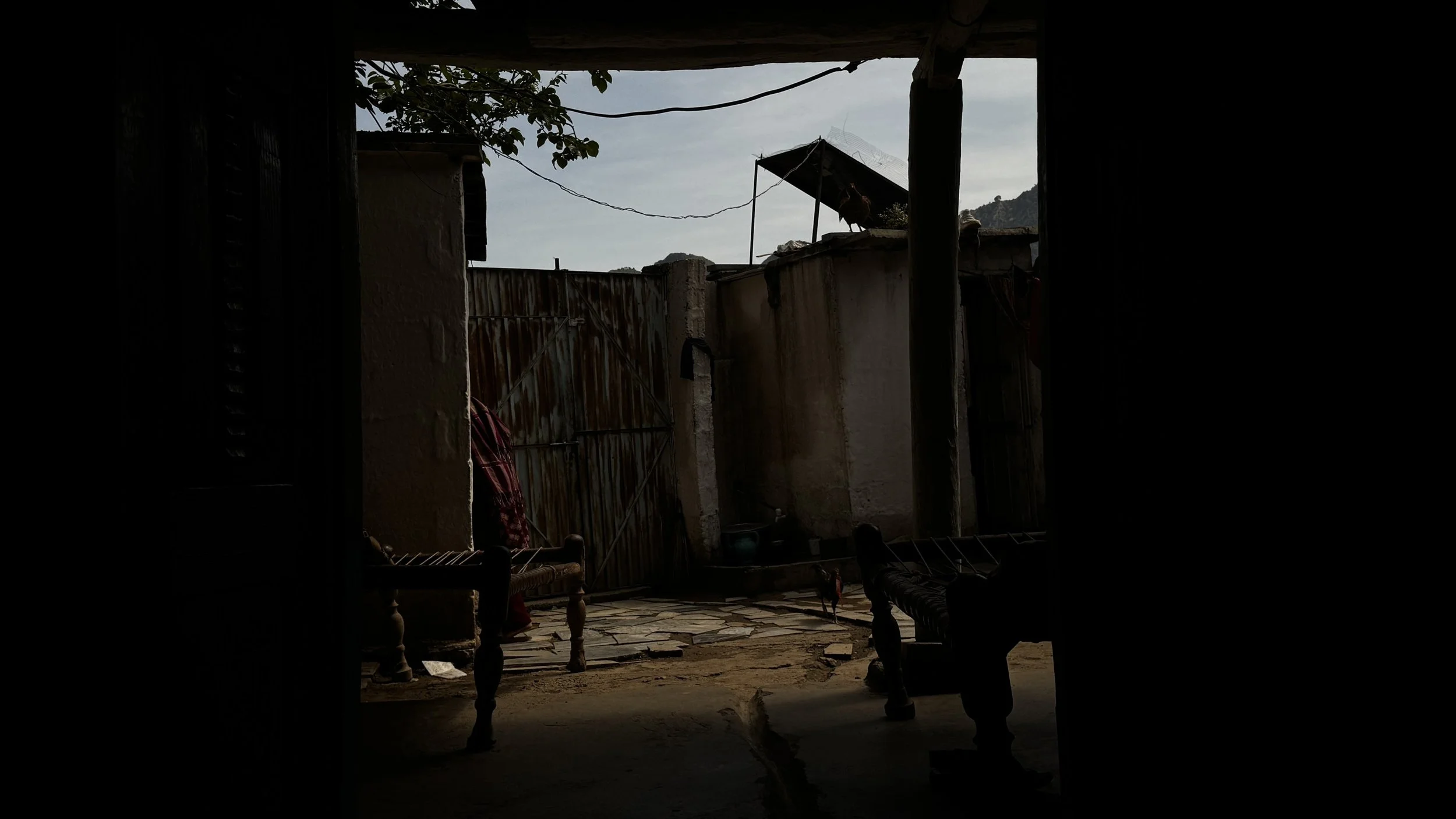
Today, Kabalai lives quietly with her disabled daughter in the same village that once offered her refuge. Each evening, she sits outside her home at dusk, watching the road that winds down from the mountains—a road her son once walked before leaving for work. Neighbors pass by and life in the village continues, yet her daily routine carries the imprint of unresolved loss. Her life demonstrates that the consequences of conflict do not end with ceasefires or border crossings. For countless refugee women, war continues through economic insecurity, psychological trauma, and policy neglect. Addressing these realities requires global humanitarian systems to move beyond emergency response and toward sustainable frameworks that prioritize dignity, protection, and long-term opportunity for displaced populations.

About the author
Ali Khan is a Pakistani researcher, filmmaker, and visual storyteller from Malakand Division, Khyber Pakhtunkhwa. His work explores conflict, displacement, women’s education, and cultural memory through documentary filmmaking and field-based research. He has completed a degree in Communication and Media Research at the University of the Punjab and focuses on community-centered storytelling from underreported regions.
Endnotes
[1] United Nations High Commissioner for Refugees (UNHCR), “Global Trends: Forced Displacement in 2023,” 2024, https://www.unhcr.org/media/global-trends-report-2023.
[2] International Labour Organization (ILO) and United Nations High Commissioner for Refugees (UNHCR), “Joint Action Plan (2023–2025): Scaling Up Decent Work for Refugees and Host Communities,” 2023, ilo-unhcr-joint-action-plan-2023-2025.pdf.
Disclaimer
The views expressed in this paper are solely those of the author and do not reflect the opinions of the editors or the journal.