Volume 21, Issue 1: Fall 2025
The Fall 2025 issue was published online in December 2025.
Featured

Featured







The Fall 2025 issue was published online in December 2025.
It is our pleasure to announce the brilliant collection of scholarly work that makes up the Yale Journal of International Affairs Fall 2025 issue.
Munisa Djumanova examines why Central Asia's post-Soviet states have resisted democratization while their Eastern European counterparts embraced democratic transitions. Through comparative analysis, she argues that domestic elite cohesion combined with strategic support from Russia and China creates a resilient authoritarian system that withstands both internal protests and external democratizing pressures.
In the wake of the 2024 collapse of Synapse Financial Technologies, Rafael Morales-Guzman argues for a Basel-style international regulatory framework that would establish minimum standards for digital banking intermediaries.
Examining the systematic exclusion of women from Somalia's security forces, Louise Liebing argues this undermines operational effectiveness against al-Shabaab while perpetuating the gender-based violence that affects 93 percent of reported victims in the country.
Ibrahim Mustafayev and Orkhan Akbarov argue that Western nations have ceded global nuclear energy leadership to state-backed competitors like China and Russia not due to technological inferiority, but from three structural failures: prioritizing bespoke design innovation over standardized replication, lacking sustained state financial backing, and allowing decades-long construction gaps that eroded critical industrial capabilities.
Has modern multilateralism become a vehicle for normalizing autocracies rather than defending democratic principles? Marian Vidaurri tackles this question by analyzing how democratic governance has prioritized diplomatic inclusion over accountability for authoritarian regimes.
Ankita Singh Gujjar traces the 4B movement's emergence from Korea's gendered political economy and its rapid digital diffusion to the United States following Trump's re-election.
Drawing on a survey of local respondents across flood-affected regions in South Sudan, James Maker Atem reveals how weak governance structures fail to address violent conflicts stemming from climate change.
Are new financial instruments effective in tackling the climate crisis? Shreya Bajaj and Amit Sheoran examine the case study of debt-for-nature swaps in Ecuador.
Grace Klopp proposes a 2025 Space Guardrails Initiative that would reaffirm existing space treaties while establishing reciprocal verification and transparency measures.
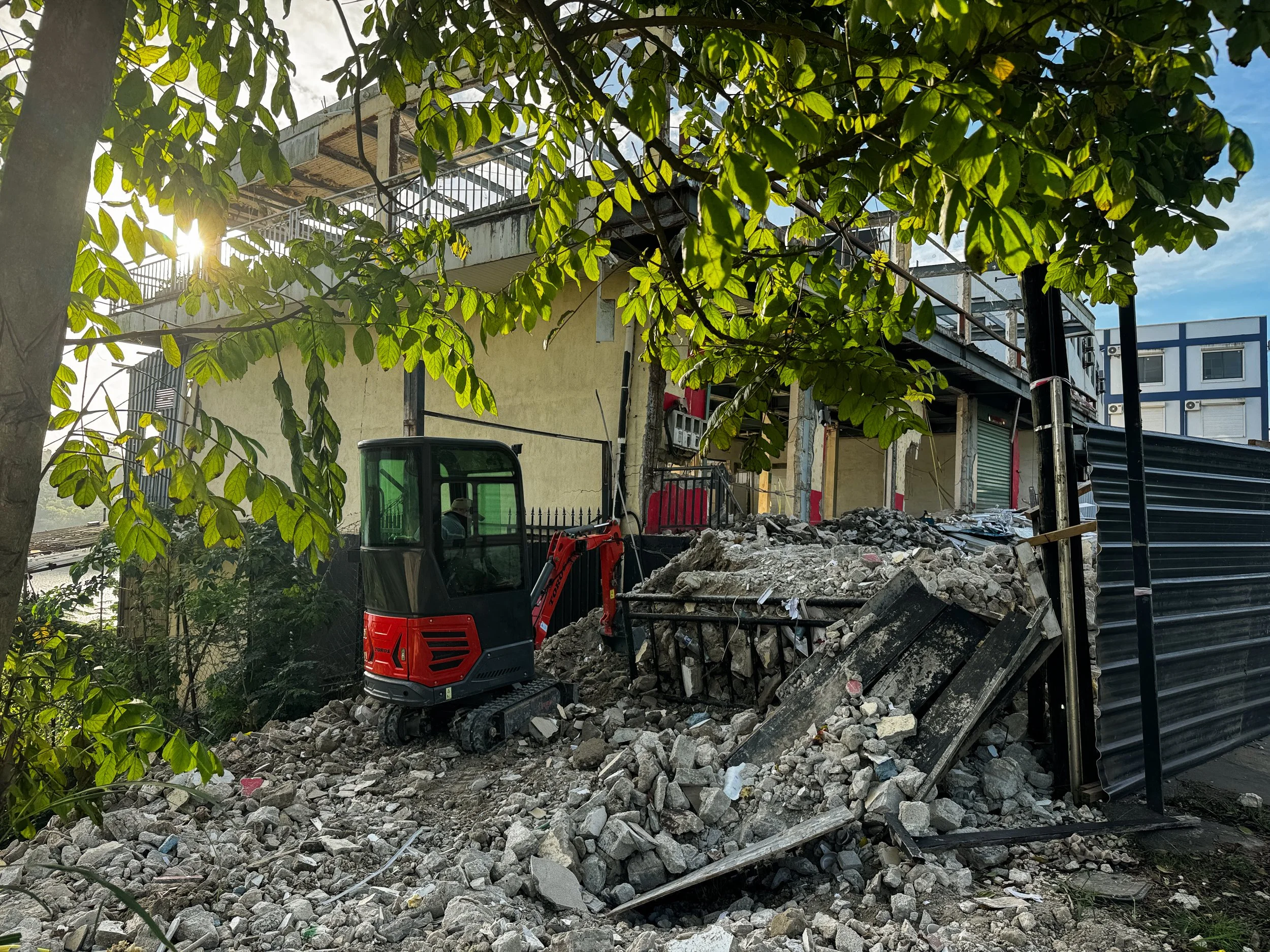
In our Photo Essay of this issue, Bryn Evans documents Port Vila's ongoing recovery six months after a devastating 7.3 magnitude earthquake struck Vanuatu's capital in December 2024. He reveals how the city's 50,000 residents have adapted to life amid rubble and reconstruction.
Jesús Napoleón Guerrero Ruíz examines why Latin America remains the only geopolitically significant region lacking professional intelligence services with external espionage and counterintelligence capabilities. He traces this deficit to Cold War legacies that oriented intelligence toward domestic surveillance rather than strategic statecraft.